Communication - Presse
“LNG Could Transform the Economy, But Inclusion Will Be Key,” Expert Warns
Quoted by the African Energy Chamber, the expert points to the coming decade as decisive for transforming energy potential into sustainable economic development in Mozambique.
Jobs and local content at the center of expectations
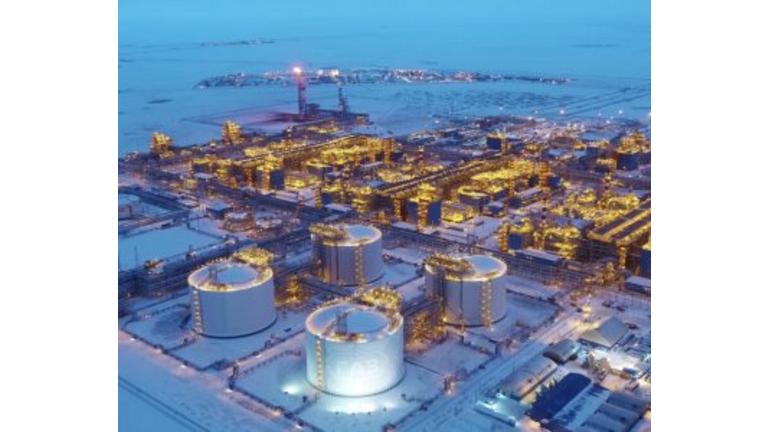
With estimated production of around 30 million tons per year starting in 2030 and projected revenues of approximately $100 billion over 25 years, the LNG sector could reshape the national economy.
The projects are expected to create at least 40,000 jobs, primarily during the construction and start-up phases, but the expert warns that the impact will depend on the quality of these opportunities.
“It is essential that Mozambican workers be prioritized and not be confined to low-skilled positions,” she argues.
To this end, she emphasizes the need to invest in education, vocational training, and skill development to enable access to technical and management roles, thereby reducing dependence on foreign labor.
The expert also highlights the potential of the value chains associated with the sector, advocating for transparent procurement processes that enable domestic companies to grow sustainably.
Infrastructure and Inclusion as Challenges
The development of LNG is also expected to drive investments in infrastructure, including roads, ports, and airports—particularly in Pemba and Nacala—as well as the strengthening of essential services such as healthcare.
Xiluva Mondlane also emphasizes the importance of ensuring that natural gas benefits the domestic market by reducing imports and costs, particularly through the production of liquefied petroleum gas (LPG).
The focus on gas industrialization, including fertilizer production, is seen as strategic for supporting agriculture—a sector that accounts for about a quarter of the Gross Domestic Product, but where fertilizer use remains low due to high costs.
Link: “LNG Could Transform the Economy, But Inclusion Will Be Key,” Expert Warns