Communication - Presse
African Railway Plan Cites Nacala Corridor as a Development Reference
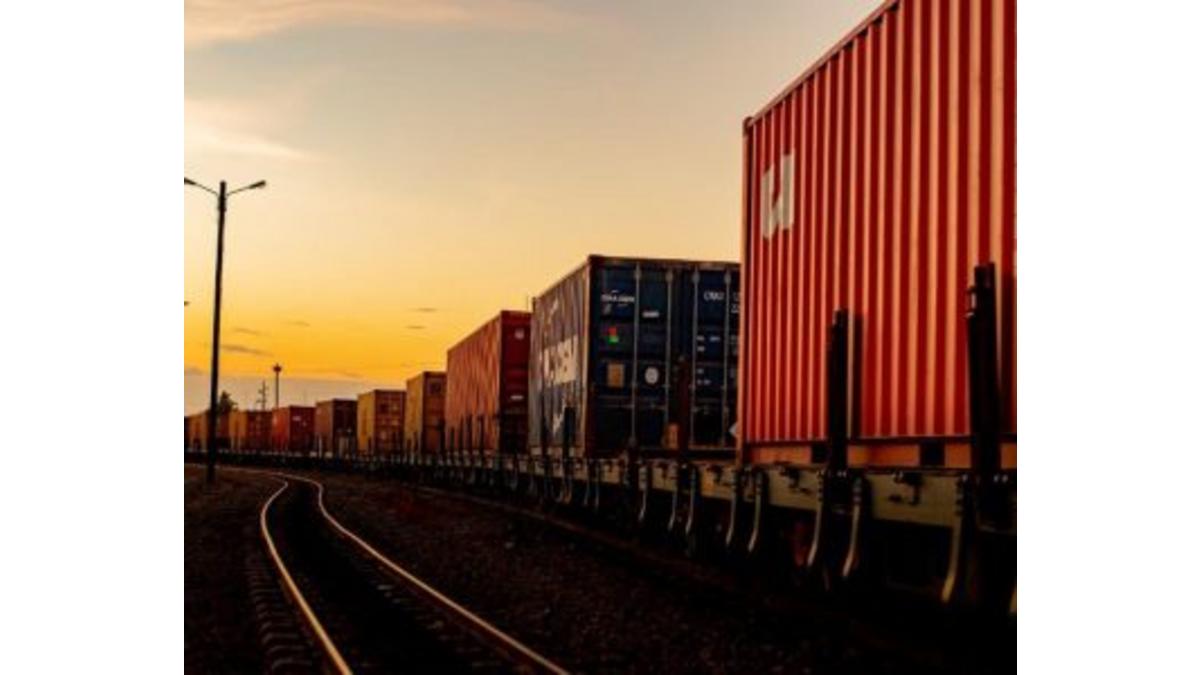
Creecy stated that the continent is experiencing a “defining moment,” driven by population growth, rapid urbanization, and challenges in international trade. In this context, she emphasized that railway integration is central to ensuring competitiveness, attracting new markets, and boosting the African Continental Free Trade Area.
Among the projects cited as references, the minister mentioned the Lobito Corridor in Angola, the Nacala Corridor in Mozambique and Malawi, the Beitbridge-Bulawayo line in Zimbabwe, and the Tazara project between Tanzania and Zambia.
According to Creecy, these investments demonstrate that the expansion and modernization of Africa’s railways are already underway, with high-speed projects, new urban lines, and freight corridors capable of reducing costs and strengthening connections to global markets.
“The goal is not just to build more lines, but to create a modern, efficient, and interconnected railway system that turns borders into gateways of opportunity,” the minister said. Creecy stressed that, beyond investing in infrastructure, African countries must harmonize regulations and standards, integrate railway transport with ports, roads, and logistics centers, and invest in training technicians and engineers. She also highlighted the need to make the sector more resilient to climate change.
At the regional level, she underlined that the Southern African Development Community (SADC) Railway Plan will serve as a basis to assess the state of railway institutions, identify priority corridors for investment, and create viable financing mechanisms.
South Africa’s experience, which allows private sector participation in railway operations, was presented as a reform model that could inspire other countries.
The minister reiterated her confidence in Africa’s capacity to build an integrated regional logistics network, capable of supporting stronger trade and ensuring a better future for the next generations.