Communication - Presse
Mozambique Seeks $1.1bn Coalition to Drive Universal Energy Access by 2030
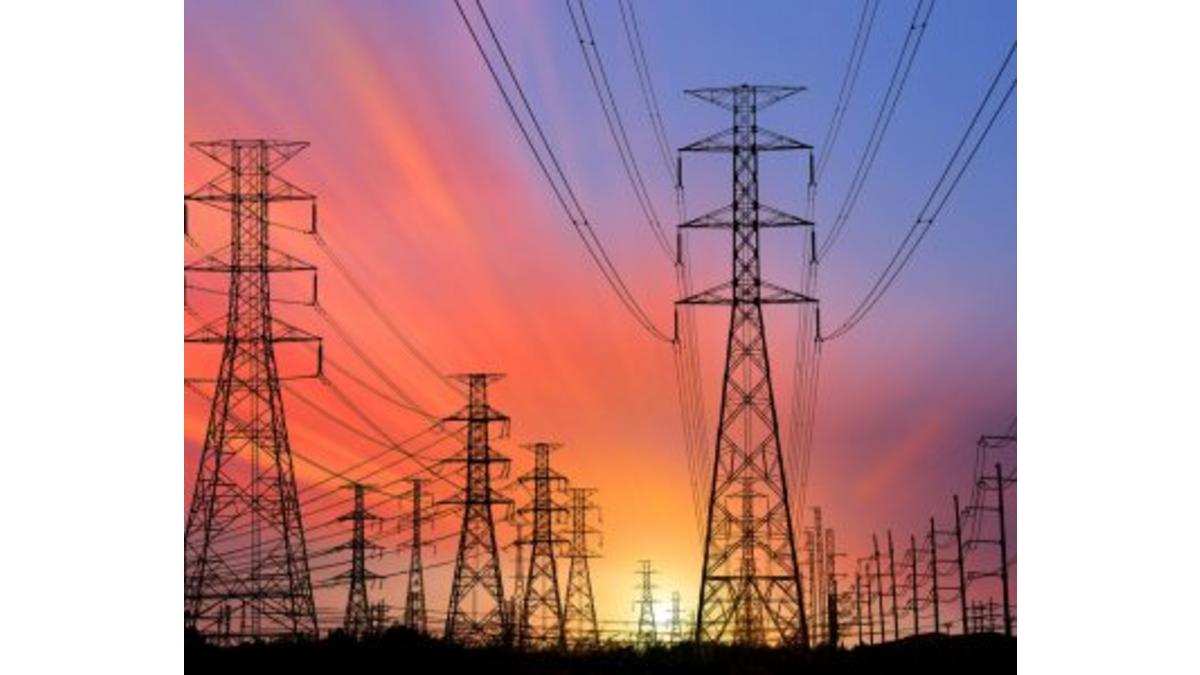
The announcement was made on Wednesday (23) during a high-level roundtable held under the theme "Financing the Next Phase: De-risking the Off-Grid Electrification Market in Mozambique", convened on the sidelines of the 81st session of the United Nations General Assembly. The meeting brought together development finance institutions, climate funds, cooperation partners, foundations, and private investors.
The coalition takes shape as the government plans approximately 2.5 million off-grid connections to achieve universal energy access by the end of the decade. "To that end, the Mozambican president indicated that it is necessary to mobilise around $1.1 billion in investment," a statement from the Presidency read.
Under national leadership, the initiative will bring together the government and its partners to mobilise resources, reduce risks, and transform a pipeline of off-grid electrification projects into concrete investment opportunities. The goal is to accelerate the expansion of energy access, primarily through decentralised solutions.
Mozambique has already mobilised €47 million from the Green Climate Fund and €20 million from the European Union to support mini-grids and productive uses of energy. These resources are complemented by World Bank support through the "Mais Energia" programme and by initiatives financed by German development cooperation through the German Development Bank (KfW).
The coalition's first deliverable will be a national financing roadmap, which is expected to identify the priority project pipeline, financing gaps, key risks, required instruments, and the responsibilities of each stakeholder.
To make the mechanism operational, Daniel Chapo called on interested institutions to confirm their participation by indicating the risks, financial instruments, or market phases to which they can contribute. The president also urged stakeholders to submit concrete financing proposals ahead of the United Nations Climate Change Conference in November 2027.
The electrification expansion strategy combines extension of the national grid with off-grid solutions, which already account for around 12% of electricity access in the country. Daniel Chapo highlighted the priority of bringing energy to rural communities, where the majority of the population lives, and underscored the role of decentralised solutions in the face of floods and cyclones.
According to the head of state, isolated systems designed with resilience mechanisms can maintain energy supply to communities affected by failures in the national grid. He further argued that access to electricity must drive productive activities such as irrigation and food preservation, helping to create an off-grid market that is "financeable, predictable, and capable of growing at national scale", with benefits for households and businesses, particularly young people and women.