Communication - Presse
President Advocates Reforms in Energy Commercialisation Model
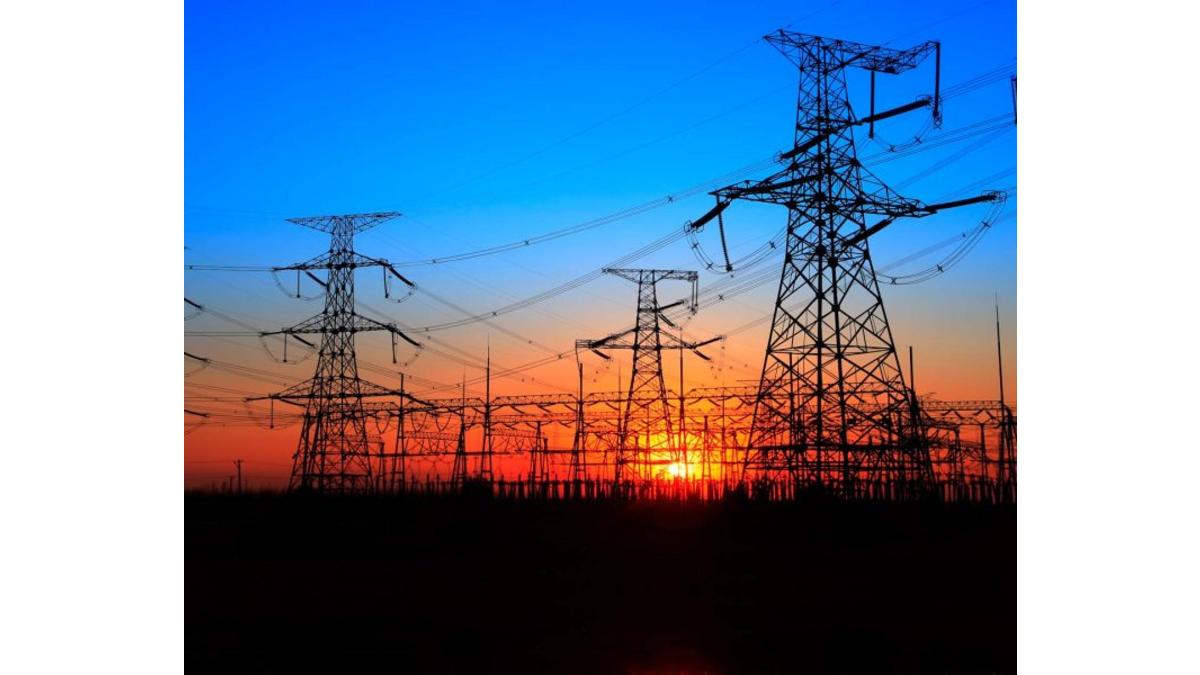
“Reform the energy commercialisation model. Adjust it to the best international practices and make it an instrument to protect the national interest and the Mozambican people,” declared the Head of State in Tete province, during the ceremony marking the 18th anniversary of the transfer of Cahora Bassa Hydroelectric (HCB) to full state ownership.
Daniel Chapo stressed that the current model of selling electricity should not be based solely on nominal tariffs, advocating instead that its valuation be made with reference to its real value in a strong currency, as a way to mitigate the effects of currency depreciation and align the country with the commercial standards of more developed international markets.
“Mozambique must gain more, the Mozambican people must gain more, and Cahora Bassa must lead this change — with our support, of course, as the Government,” the President emphasised, presenting a set of five challenges to HCB’s management, a company he described as a strategic asset achieved through the efforts of the Mozambican people.
Among the challenges listed, he highlighted the need to boost the Zambezi River’s energy cascade, namely the Cahora Bassa Dam and the future Mphanda Nkuwa project, in order to strengthen water storage efficiency and increase electricity production capacity. “It is essential to fully integrate Cahora Bassa Hydroelectric into the legal and institutional framework of the national energy sector. It is, without a doubt, the heart of Mozambique’s energy,” he stated.
Daniel Chapo also called for the creation of a social development and rural integration programme focused on generating local wealth, moving away from a model based solely on donations and assistance.
Cahora Bassa Hydroelectric is 85% owned by the state-owned Zambezi Electric Company, 7.5% by the Portuguese company REN (Redes Energéticas Nacionais), and 3.5% consists of treasury shares. The remaining 4% are held by Mozambican citizens, companies and institutions.
Responsible for more than 80% of the electricity consumed in Mozambique and a supplier of power to neighbouring countries, HCB returned to state control in 2007, strengthening national sovereignty over strategic resources.
The Cahora Bassa reservoir, located on the Zambezi River, is the fourth largest in Africa, covering around 2,700 square kilometres with an average depth of 26 metres. The structure, built in a narrow gorge of the river, was constructed between 1969 and 1974 and began commercial operations in 1977 with three generators transmitting 960 megawatts (MW). Its current installed capacity reaches 2,075 MW. With nearly 800 employees, HCB remains one of the largest electricity producers in Southern Africa.
360mozambique.com/oil-gas/energy/president-advocates-reforms-in-energy-commercialisation-model/