Communication - Presse
LNG from A to Z: The Global Power of Liquefied Gas
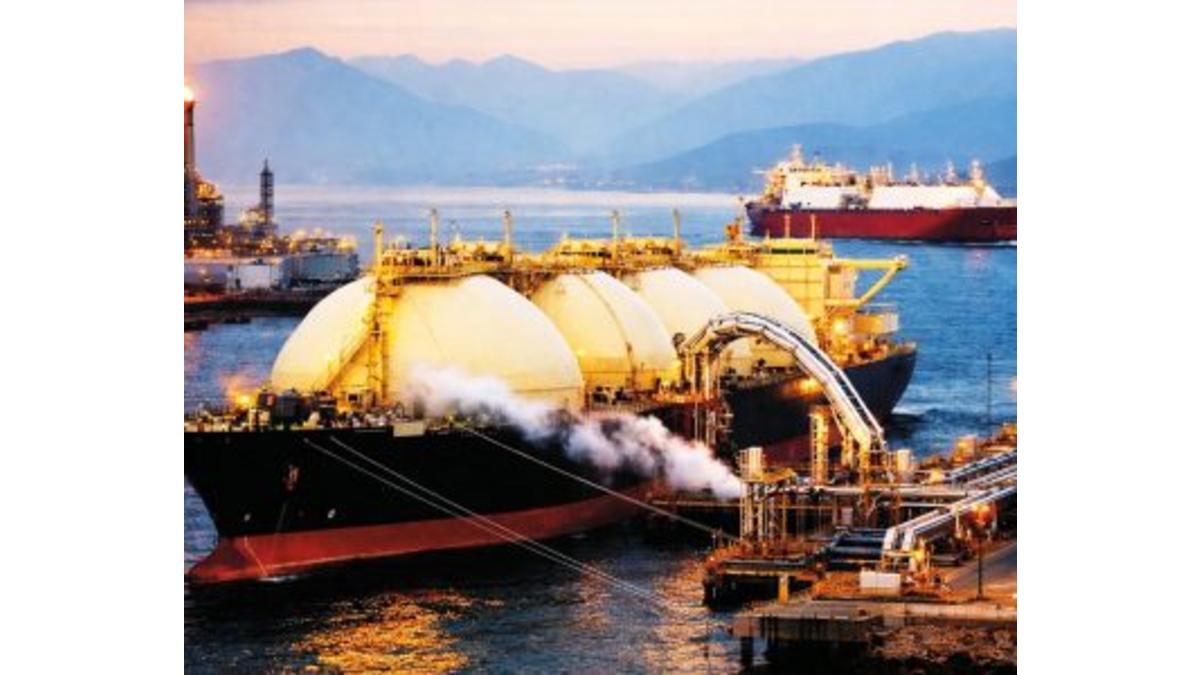
Liquefied natural gas (LNG) has, over the past two decades, evolved from a relatively specialised commodity into a central pillar of global energy. The combination of Asia’s demographic and industrial growth, Europe’s demand for energy security following the outbreak of war with Russia’s invasion of Ukraine, the increased logistical flexibility enabled by LNG carriers, and the need for cleaner energy sources than coal and other fossil fuels have sustained unprecedented dynamism in this market.
According to Shell, in its report “LNG Outlook 2025”, global demand could increase by around 60% by 2040, driven mainly by economic expansion in China, India, and several emerging Asian economies. This rise is not only quantitative but also strategic, as LNG has become a fundamental “energy bridge” at a time when renewable energy sources still cannot guarantee stability in highly electricity-dependent systems.
The central role of LNG in an increasingly volatile global economy is also explained by its flexibility. Unlike pipeline gas, LNG can be redirected, sold, and recontracted according to market needs — a factor that became particularly decisive during the 2022 energy crisis, when Europe saw Russian supply collapse. Following this shock, LNG demand intensified, triggering profound changes in trade geography, European energy policy, and the long-term strategy of major exporters and importers. According to the “2025 World LNG Report” by the International Gas Union (IGU), global trade reached 411.24 million tonnes in 2024, a 2.4% increase compared with 2023 (401.4 million tonnes), linking 22 exporting countries to 48 importing markets. Although 2024 recorded the lowest supply growth in several years, expansion continued, demonstrating that the resilience of the LNG market outweighs temporary conditions.
Asia continues to be the driving force behind international demand. Shell highlights that China plans to significantly expand pipeline gas connections to around 150 million people by 2030, replacing coal with gas in residential and industrial sectors. In terms of consumption and trade, recent data confirm clear growth. According to Chinese customs statistics, the country’s LNG imports increased from 71.19 million tonnes in 2023 to 76.65 million tonnes in 2024 (7.7%). These figures illustrate accelerating demand and deeper LNG penetration in China’s energy mix.
India is pursuing a strategy similar to China’s, promoting urban gas pipelines and investments in coastal regasification terminals. Indian gas imports rose from about 22.14 million tonnes in 2023 to 27.79 million tonnes in 2024 (25.6%). Countries such as Vietnam, the Philippines, and Bangladesh are also emerging as new importers, expanding the geographical base and reinforcing the outlook for diversified markets.
These figures confirm that the Asia-Pacific region continues to lead global consumption and is expected to maintain prominence until 2030, driven mainly by population growth, rapid industrialisation, and efforts to decarbonise heavy industry. Indeed, according to IGU data, this region imported 165.09 million tonnes of LNG in 2024, compared with 155.32 million tonnes in 2023 (approximately 6.3% growth), representing about 40% of global LNG trade in 2024.
Source: https://360mozambique.com/oil-gas/lng/lng-from-a-to-z-the-global-power-of-liquefied-gas/